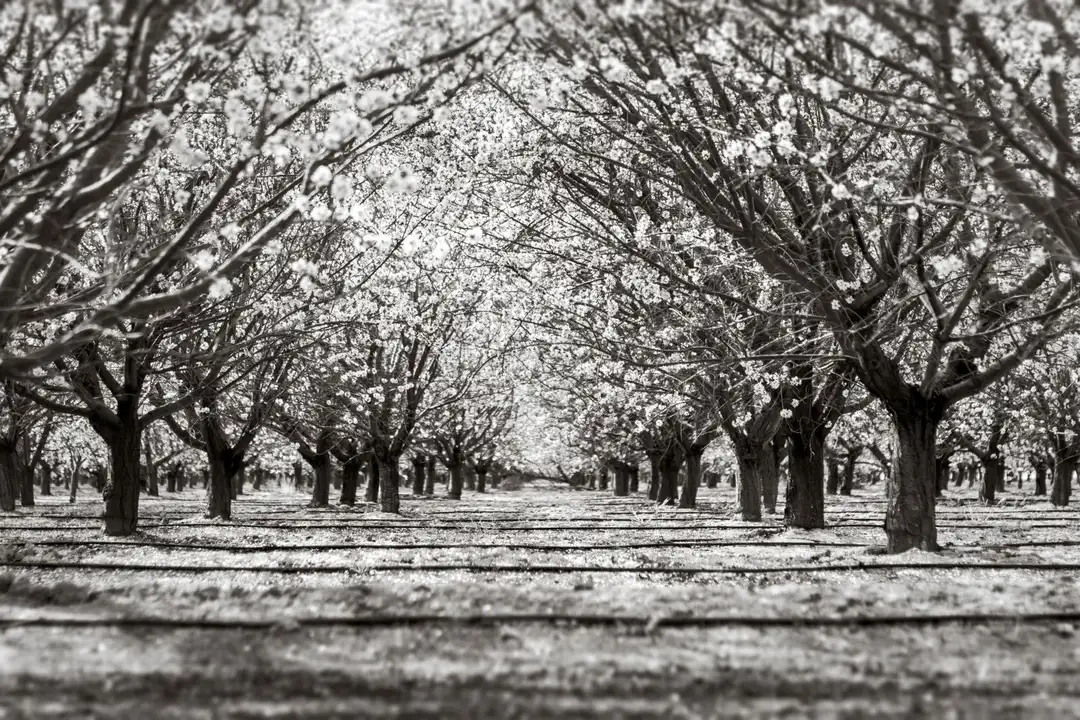
Koura, North Lebanon
The grove above Amioun.
Everything in the pantry starts on one limestone terrace of old olive trees. Here is the year that gets it into the jar.
The plateau
Koura is old olive country: a limestone plateau in the north where the groves have been worked by the same families for generations. The soil is thin and stony, the summers are long and dry, and the trees answer with fruit that is low in water and high in flavour.
The trees
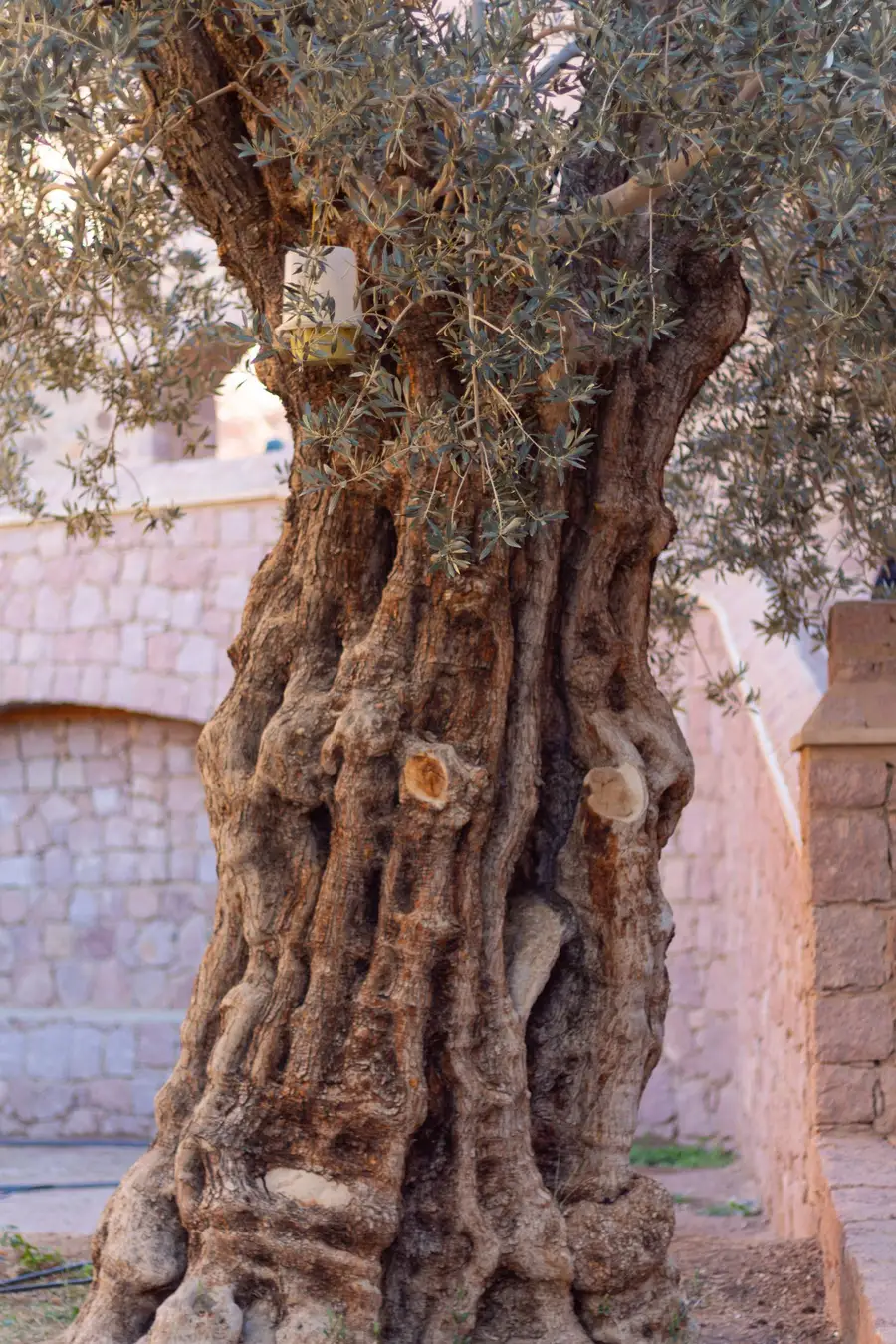
Our grove is about 180 trees on the terraces above Amioun. A good number of them predate the house. Old trees give less fruit than young ones, but the oil is rounder and keeps better, so we leave them be and work with what they give.
The harvest
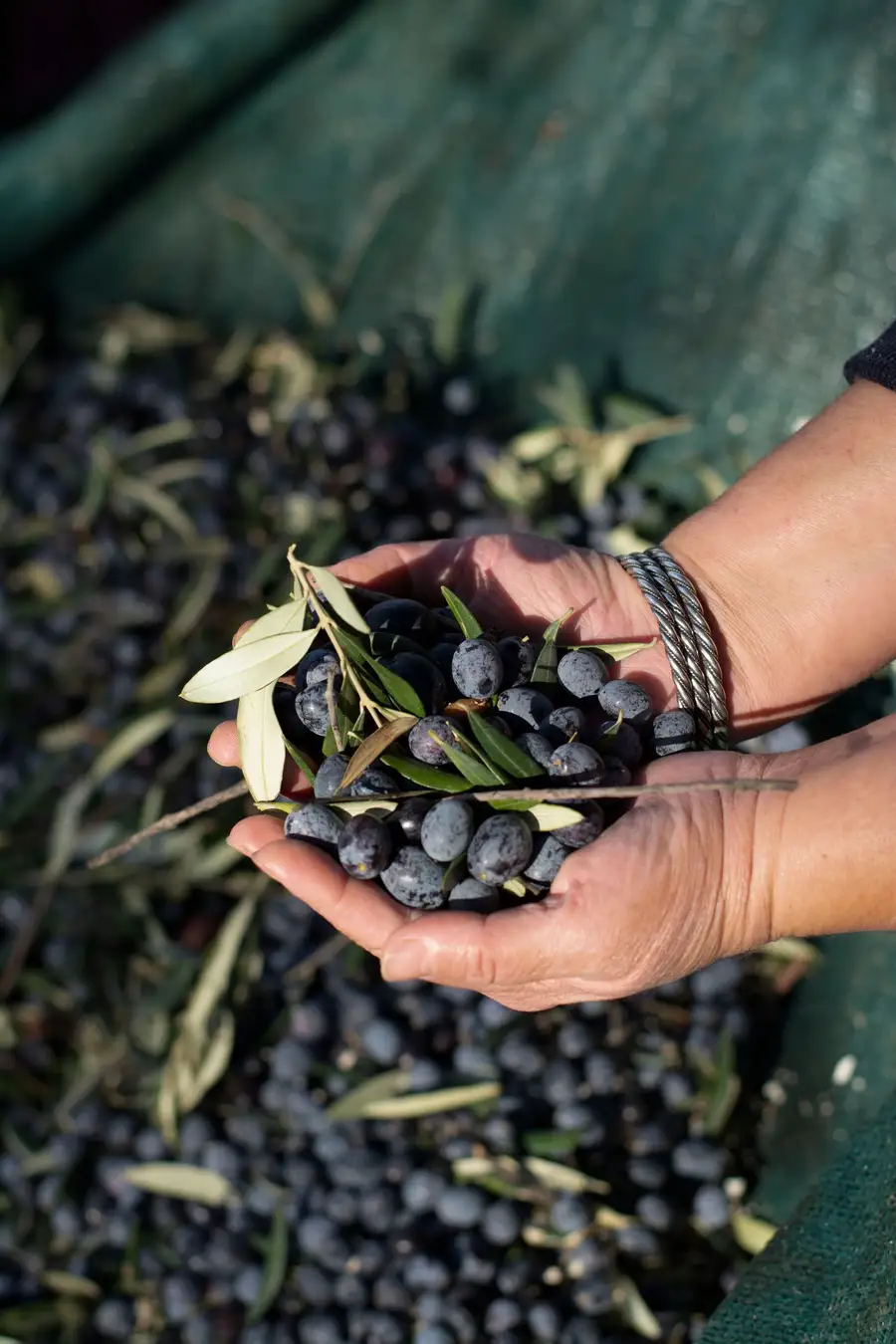
We pick in November, by hand and by comb, laying nets under the trees. Picking early keeps the oil green and peppery; waiting makes it softer and higher-yielding. We pick a little early on purpose.
You cannot hurry an olive tree, and you cannot hurry good oil. You can only be there on the day it is ready.
The family, Bayt Zeit
The pressing
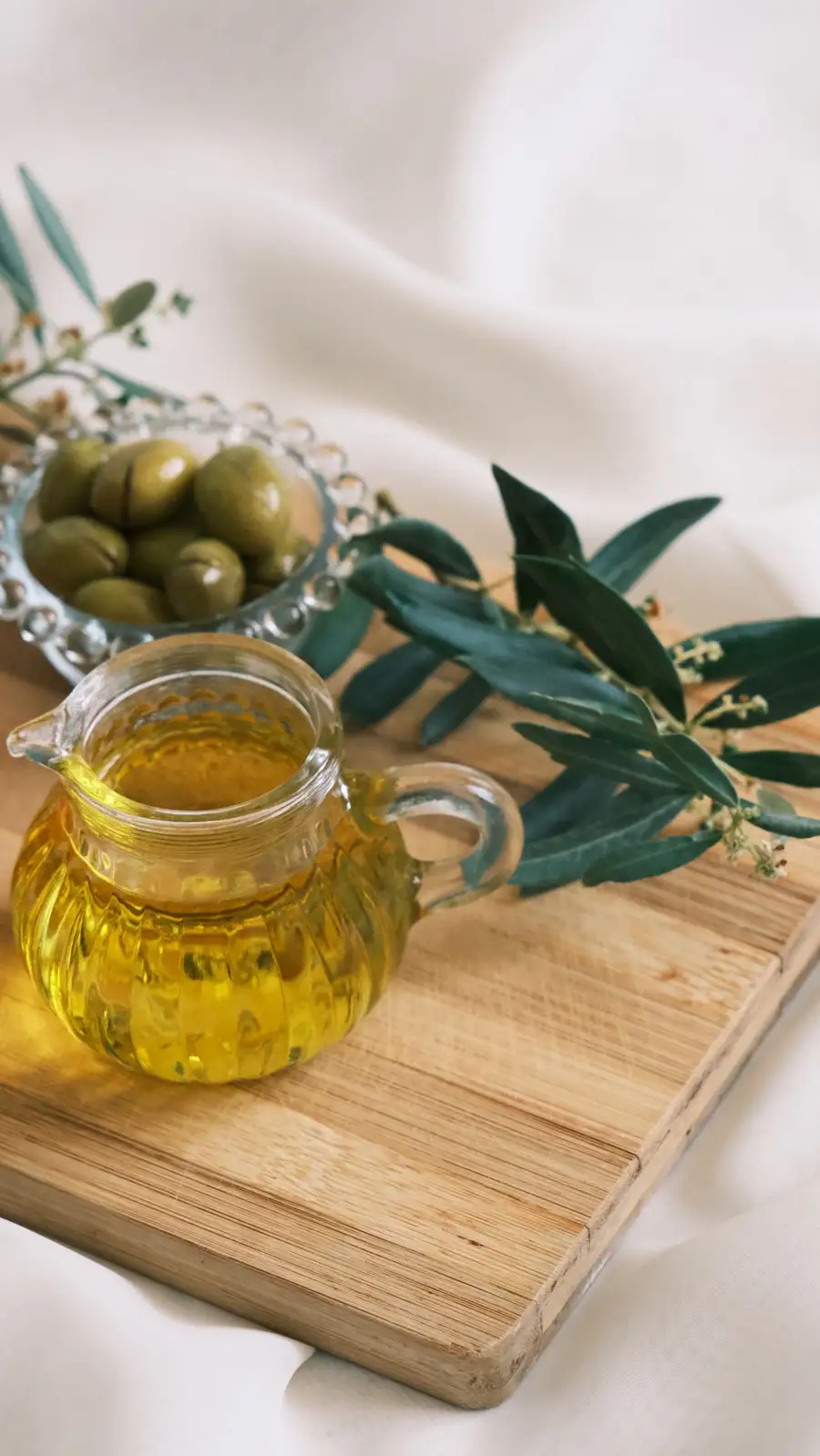
The fruit goes to the mill within a day of picking, while it is still cool. It is stone-milled and cold-pressed below 27C, then left unfiltered. Heat and time are the enemies of good oil, so we move fast and keep it cold.
The mouneh
Mouneh is the Lebanese pantry: the labneh, za'atar, makdous and preserves that a household puts up so the season lasts all year. We make ours in small batches from the same hills, in the same weeks, and pack it in oil from the same grove.
Taste this year's pressing.
The current harvest is in the pantry now.